

Exercise is not only helps fight off stress and anxiety, but necessary in order to maintain optimal physical health. Yet, children with cerebral palsy who use wheelchairs to get around are often limited in choices when it comes to supervised exercise. Newly-published research in the U.K. delved into exercise interventions for young people in wheelchairs, and results indicate that fitness is attainable for these kids, but more programs should be available. Before that can happen, however, additional research is needed.
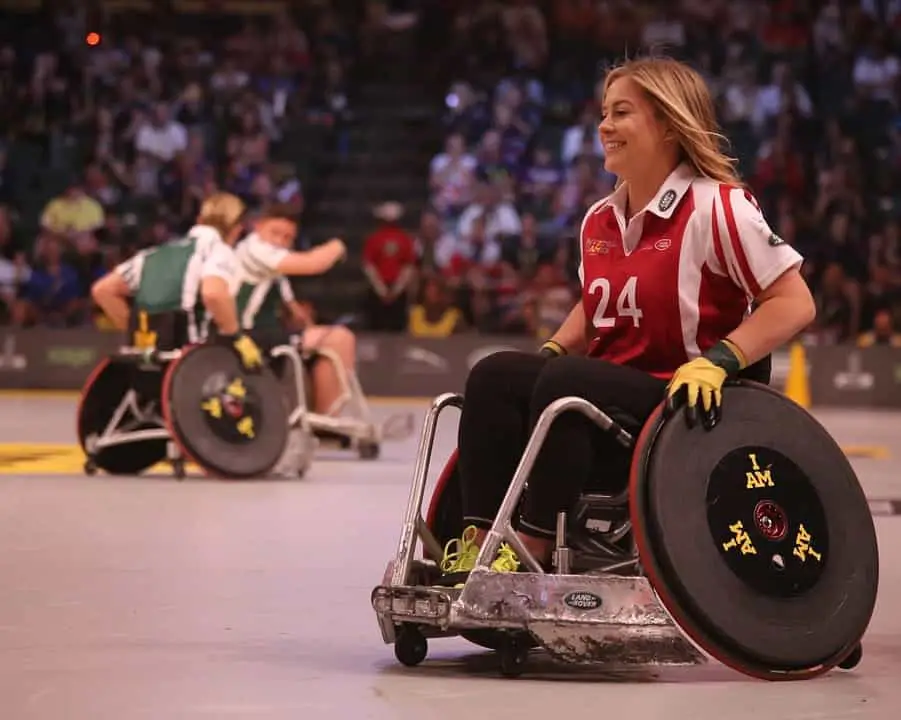
According to the published study, “Systematic review of physical activity and exercise interventions to improve health, fitness and well-being of children and young people who use wheelchairs,” children who rely on wheelchairs can benefit from the positive advantages of exercise just as anyone else, as long they’re given the opportunity to engage in “appropriately-designed” exercise programs. The research combined a number of studies on people, ages 25 and younger, who relied on wheelchairs to move around.
The researchers helped the participants expend more energy in their home and community by assisting them in increasing their physical activity during supervised sessions. The majority of patients in the study had cerebral palsy, with a significant degree of mobility issues. When the research was complete, it was determined that most of the children experienced improvements in physical fitness, motor control, strength, and flexibility. Others showed improvement in independence and self confidence.
A downside to the study, according to researchers, was the cost-effectiveness. In the U.K., the research must be cost-effective enough to justify bringing in exercise programs into healthcare. Additionally, even though the research showed positive differences for children in wheelchairs, there still isn’t enough additional research to help back it up. More exercise programs and interventions are needed.
“Undoubtedly, delivering physical activity interventions to children with severe mobility impairments who use wheelchairs is challenging, but investigators must make efforts to follow established exercise prescription guidance to maximize the effectiveness of interventions,” researchers wrote.
Currently, children with cerebral palsy who rely on wheelchairs are generally offered physical therapy, which entails a number of different exercises to help build mobility, flexibility, strength, and improved motor skills. However, getting exercise for the sake of exercise is not studied enough and not promoted enough, which, per the study, is a great disservice to children in wheelchairs. The study concluded that the insufficiency of additional studies on exercise for people in wheelchairs makes it difficult to reach lawmakers and doctors.
“The paucity of robust studies evaluating interventions to improve health and fitness is concerning. This hinders adequate policymaking and guidance for practitioners, and requires urgent attention. However, the evidence that does exist suggests that children who use wheelchairs are able to experience the positive benefits associated with appropriately designed exercise.”
In the U.S., there are a number of exercise programs available for children with cerebral palsy, but as with the U.K., some of the programs may be considered “alternative treatment,” which could prevent insurance companies from covering it. Speak with your physician for more information, and feel free to contact us if you need assistance with finding an exercise program in your area. Keep in mind that you should never start your child on an exercise program without first asking their pediatrician.


